
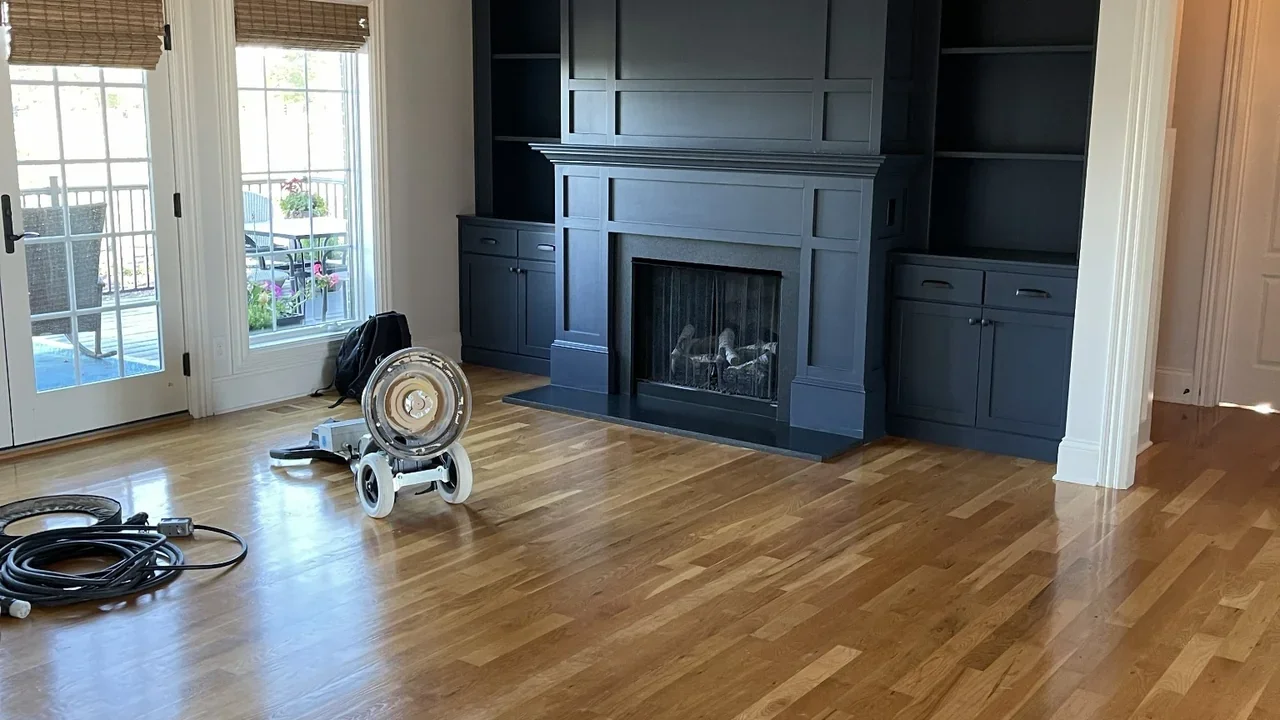
New Hardwood Floor Installation in Central Kentucky
A new hardwood floor is one of the most impactful investments you can make in your home. It adds warmth, character, and real, lasting value - and when it's installed right, it can look just as beautiful 50 years from now as it does on day one. The owner at L&T Hardwood and Refinishing has installed and finished well over 800,000 square feet of hardwood flooring over 13 years. When you hire us, you're getting a craftsman who treats your home the way he'd treat his own.
Choosing the Right Hardwood Floor for Your Home
One of the things we hear from homeowners most often is that they didn't realize how many options were available. Choosing a new hardwood floor can feel overwhelming and that's exactly why we walk you through every decision, one step at a time.
Solid Unfinished Hardwood
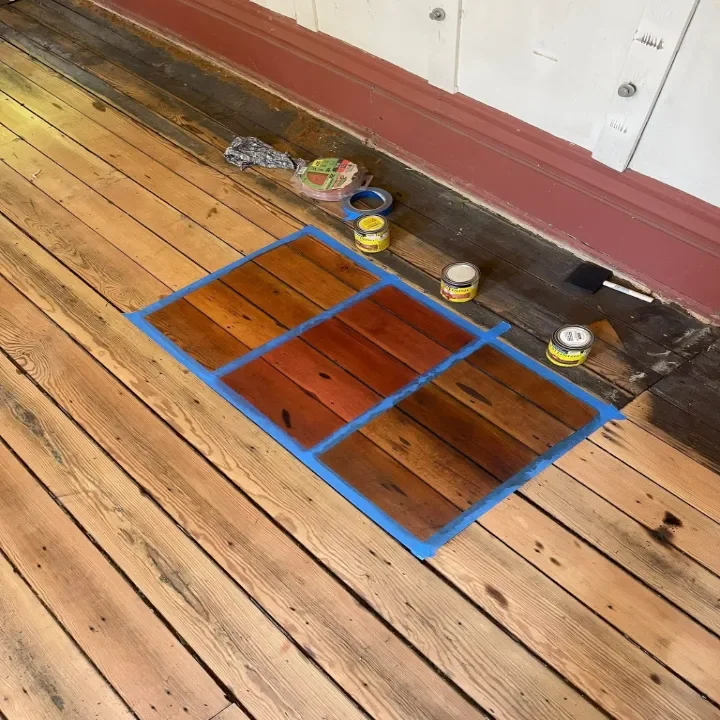
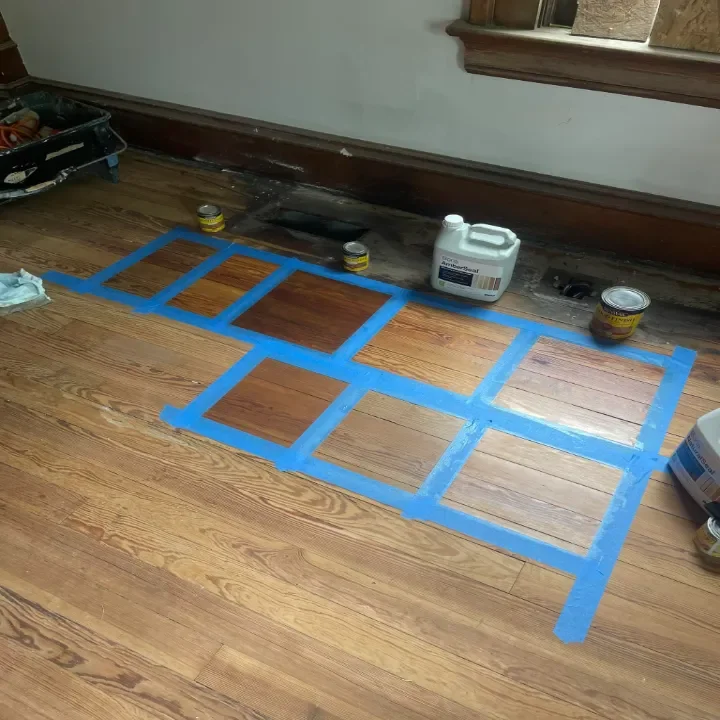
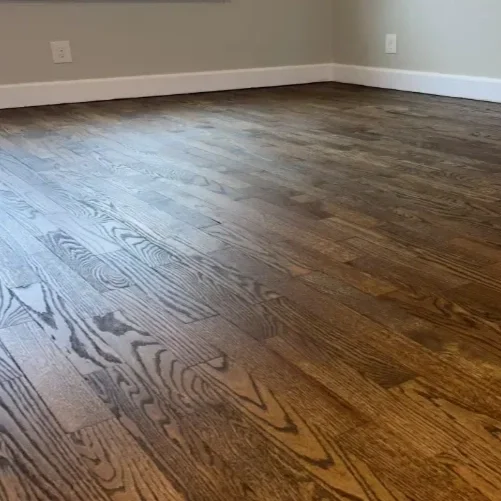
This is the classic choice: real, solid hardwood planks that are sanded and finished on-site after installation. Solid hardwood can be sanded and refinished many times throughout its lifetime, meaning a properly cared-for solid hardwood floor can last a century or more. You choose the stain color and finish sheen after it's installed, giving you the most control over the final look. Common species include red oak, white oak, hickory, maple, walnut, and more.
Best for: homeowners who want maximum longevity, complete customization, and the most authentic hardwood experience.
Prefinished Solid Hardwood
Prefinished hardwood arrives with the stain and finish already applied at the factory. Installation is faster and you can walk on the floors almost immediately. Factory finishes are typically very hard and durable. The trade-off is less customization, you choose from available stain options rather than mixing your own.
Best for: homeowners who want to move quickly or minimize the disruption of a finish curing on-site.
Engineered Hardwood
Engineered hardwood is constructed with a real hardwood veneer on top and multiple layers of plywood or composite below. This construction makes it more dimensionally stable and less likely to expand or contract with seasonal humidity changes. It’s more suitable for areas where solid hardwood can't go, like basements or over radiant heat systems.
Best for: below-grade installations, humid environments, or areas over radiant heat.
Luxury Vinyl Plank (LVP)
Today's LVP has come a long way. High-quality LVP looks remarkably like real wood, it’s waterproof, and is extremely durable. It's a great choice for high-traffic areas, homes with pets, or areas prone to moisture. We only install quality LVP products that we would put in our own homes.
Best for: kitchens, bathrooms, laundry rooms, basements, and pet-friendly households.
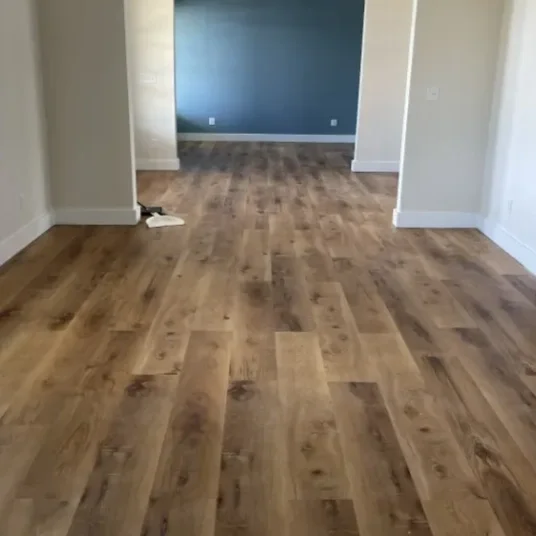
What Goes Into a Hardwood Floor Installation? A Complete Walkthrough
We believe an informed homeowner is a happy homeowner. Here's exactly what happens when L&T Hardwood installs your new floors, from the first conversation to the final walkthrough.
Step 1: Free Estimate and Consultation
We visit your home or business, measures the space, and talk through your options. This is where we discuss species, width, run direction, finish options, and layout. We'll give you a detailed estimate with no surprises, hidden costs, or upsells you don't need.
Step 2: Material Selection
We help you navigate your options and land on a product that fits your lifestyle, your aesthetic vision, and your budget. We'll show you samples, explain the differences between products, and make sure you feel completely confident in your choice.
Step 3: Acclimation
For solid and engineered hardwood, the wood needs to acclimate to your home or business’s temperature and humidity before installation. This typically takes 3–5 days and is a critical step that contractors may skip that could lead to floors that expand, contract, gap, or buckle after installation. We never skip acclimation.
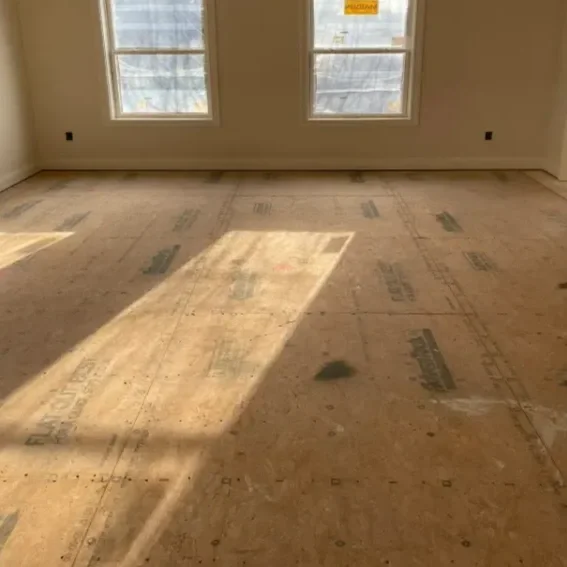
Step 4: Subfloor Preparation
A great hardwood floor starts with a great subfloor. We inspect and prepare your subfloor and check for level, stability, moisture issues, and any problem areas. Any issues are addressed before a single board goes down. Skipping this step is one of the most common reasons floors fail.
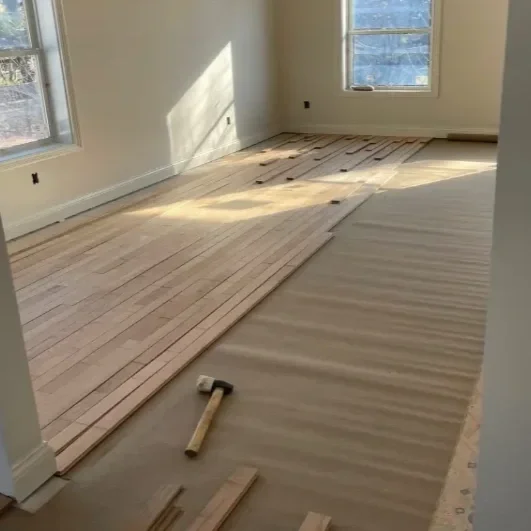
Step 5: Installation
This is where the craftsmanship comes in. We nail, staple, glue, or float the flooring depending on the product and substrate, choosing the right method for your specific situation. Layout patterns, run direction, transitions to other floor types, borders, and design features like herringbone and parquet are all handled with precision.
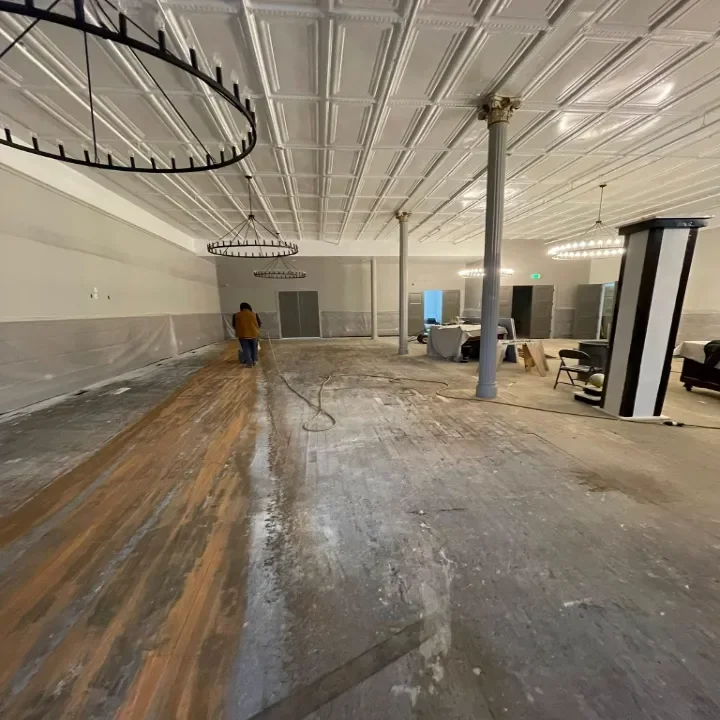
Step 6: Sanding and Finishing (Unfinished Hardwood)
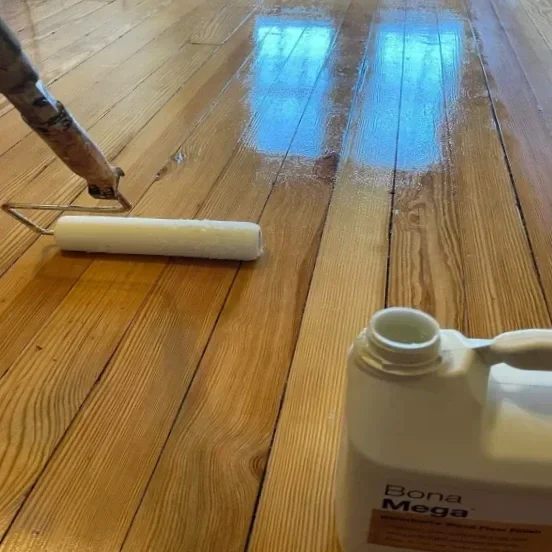
For unfinished solid hardwood, we sand the floor smooth in multiple passes using progressively finer grits until the surface is perfectly even. Then we apply your chosen stain and multiple coats of finish - oil-based polyurethane, water-based finish, or hard wax oil, depending on your preference. Each coat is allowed to fully cure before the next is applied.
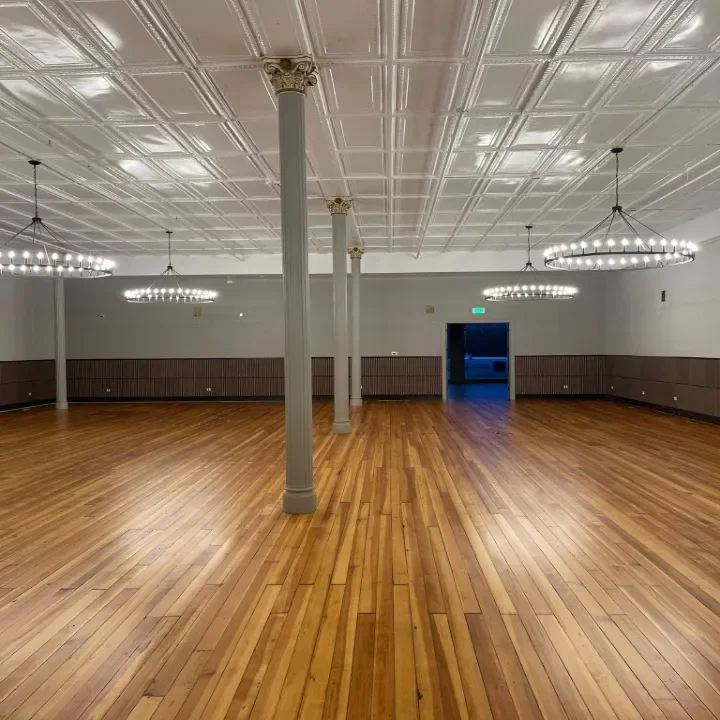
Step 7: Final Walkthrough and Cleanup
When the job is complete, we do a thorough walkthrough with you. We want you to inspect our work and we don't consider the job done until you're completely satisfied. We leave your home or business clean, we respect the spaces we work in.
Design Possibilities: More Than Just Straight Planks
Most people think of hardwood floors as simple straight runs and that's a beautiful, classic look. But hardwood opens up a world of design options that can make a floor truly one-of-a-kind.
Run Direction: Running planks parallel to the longest wall is traditional, but diagonal runs can make a room feel larger. Different run directions can visually define different zones in an open floor plan.
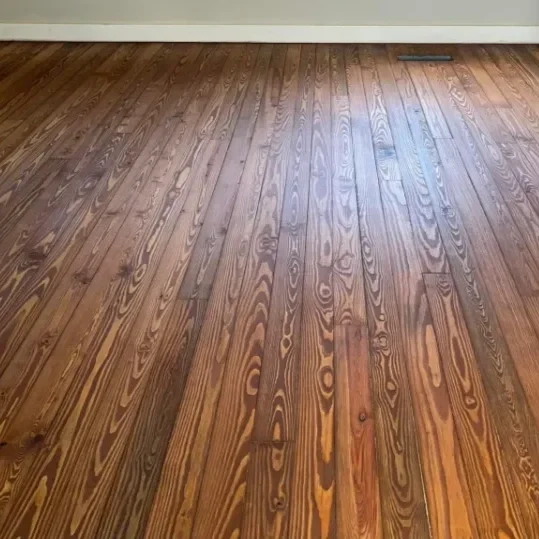
Width Options: Narrow strip flooring (2.25") has a classic, traditional look. Wide planks (5" and up) feel more contemporary and showcase the wood grain beautifully.
Herringbone and Chevron: These angled patterns add an elevated, designer feel to any room. They require more material and more skill to install, but the results are stunning.
Parquet: Geometric tile-like patterns created from short wood pieces. A classic European look that's making a major comeback.
Mixed Widths: Combining different plank widths in the same floor creates a casual, character-rich look reminiscent of old farmhouse floors.
Borders and Inlays: Custom borders framing a room or decorative inlays at entries and focal points add a truly custom, high-end touch.
Not sure what's right for your space? That's what we're here for. Bring us photos, ideas, inspiration and we'll help you figure out what will look best in your specific home or business.
Do You Actually Need New Floors?
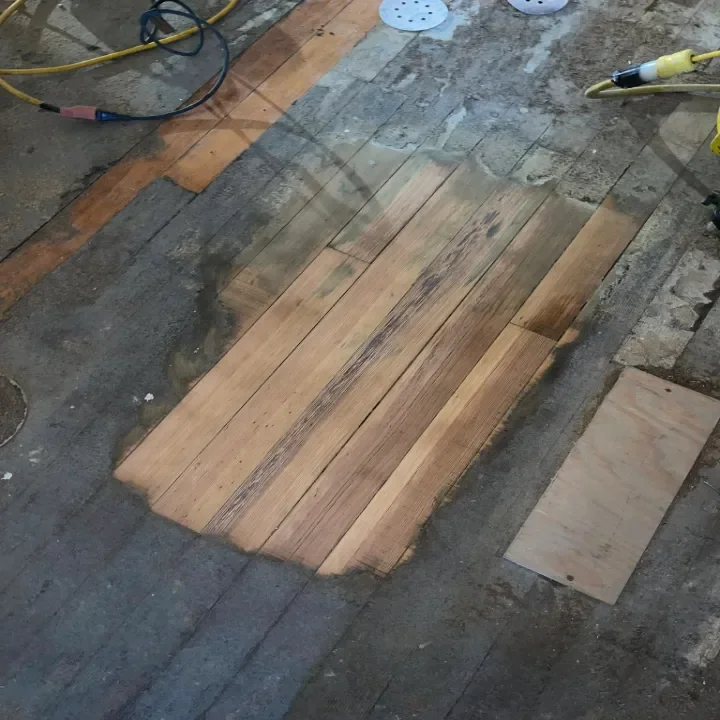
Before you invest in a full new installation, it's worth asking: are your existing floors truly beyond saving?
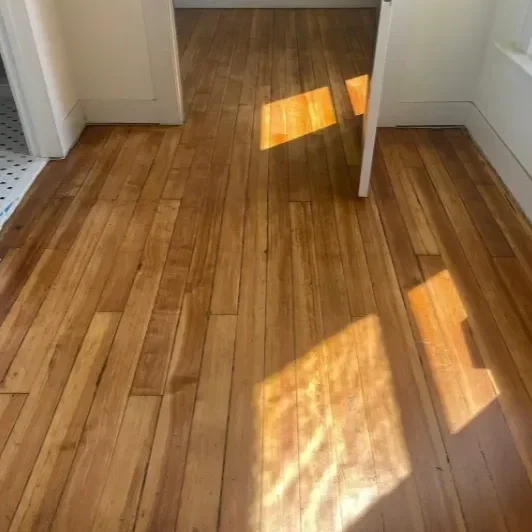
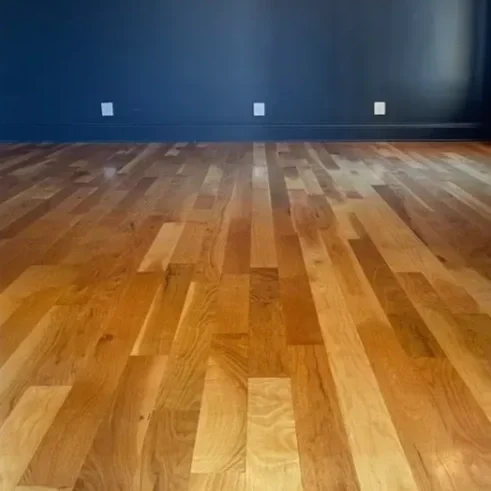
Solid hardwood can be sanded and refinished multiple times throughout its life. Floors that look worn out, stained, scratched, or even painted-over are often excellent candidates for refinishing rather than replacement. Refinishing can save homeowners and businesses thousands of dollars compared to a full tear-out and replacement - and the results are stunning.
We'll always tell you the truth. If refinishing is a viable option for your floors, we'll say so. If replacement is genuinely the right call, we'll explain exactly why.
The Smart Investment: Why Hardwood Adds Real Value
Hardwood flooring is one of the most popular choices in American homes - and for good reason. It consistently ranks among the highest-return home improvements, adding both value and long-term durability.
Hardwood floors last for generations with proper care, far outlasting carpet (10–15 year lifespan) or most other flooring types.
They're healthier: unlike carpet, hardwood doesn't trap dust, pet dander, allergens, or bacteria.
They significantly increase your home's resale value. A well-done hardwood floor can be a deciding factor for buyers.
They're easier to clean and maintain over the long run.
Frequently Asked Questions: Hardwood Floor Installation
How long does a hardwood floor installation take?
It depends on the square footage, the type of flooring, and the complexity of the layout. For most residential projects, installation itself takes 1–3 days. For unfinished hardwood that requires sanding and finishing on-site, add another 2–3 days for the finishing process, including dry time between coats. We'll give you a clear timeline upfront during your estimate.
How long does hardwood flooring last?
Properly installed and maintained solid hardwood floors can last 100 years or more. They can be sanded and refinished numerous times throughout their lifetime, essentially renewing themselves. Engineered hardwood typically lasts 25–50 years depending on the wear layer thickness. Even LVP, when quality materials are used, can last 15–30 years.
Can hardwood be installed over my existing subfloor?
In most cases, yes - but the subfloor must meet certain requirements: it needs to be structurally sound, flat (within 3/16" over 10 feet), clean, and dry. We assess your subfloor during the estimate and let you know if any prep work is needed before installation can begin.
What's the difference between solid and engineered hardwood?
Solid hardwood is exactly what it sounds like - a single, solid piece of real wood from top to bottom. It's the most traditional choice and can be refinished the most times. Engineered hardwood has a real hardwood veneer on top bonded to multiple layers of plywood below, making it more stable and better suited for environments with humidity fluctuations or below-grade installation.
How much does hardwood floor installation cost?
Pricing varies depending on the type of flooring, the square footage, the complexity of the layout, and any subfloor preparation required. The best way to get an accurate number is to request a free estimate. We come to your home or business, measure, discuss your options, and give you a detailed quote with no surprises. Contact us today to get started.
Do I need to move my furniture before installation?
Yes, the work area needs to be completely clear before we begin. We'll let you know what needs to be moved and can advise on temporary staging areas. Some projects, especially room-by-room installs in occupied homes and businesses, can be phased so you're never completely displaced.
Ready for Floors You'll Love for Decades?
Getting started is easy. Just reach out for a free, no-pressure estimate and let's talk about what you're imagining for your home or business.